
Septoplasty in Miami, FL
Many individuals struggle with breathing difficulties due to a deviated septum, while others may feel self-conscious about the appearance of their nose. Septoplasty is a specialized surgical procedure that combines functional and cosmetic nasal improvements. This procedure addresses both concerns in a single surgery, offering relief from nasal obstruction while enhancing facial aesthetics. Whether performed for medical or cosmetic reasons, Septoplasty provides long-lasting results that improve quality of life and self-confidence.
What Is Septoplasty?
Septoplasty is a type of nose surgery that corrects both functional and cosmetic issues. It combines septoplasty, which straightens a deviated septum to improve breathing, with rhinoplasty, which reshapes the nose for aesthetic enhancement. Patients who suffer from nasal obstruction, chronic congestion, or breathing difficulties due to a deviated septum may benefit from Septoplasty. Additionally, those seeking to refine the size or shape of their nose for cosmetic reasons can achieve their goals with this procedure.
Who Is a Candidate for Septoplasty?
Ideal candidates for Septoplasty include individuals who:
- Experience breathing difficulties
- Have a deviated septum
- Have a collapsed nasal valve
- Have turbinate hypertrophy
- Want to correct nasal asymmetry, humps, or wide nostrils
Candidates should be in good overall health, non-smokers, and have realistic expectations regarding the results of the procedure. A consultation with a board-certified plastic surgeon is necessary to determine eligibility.
What Are the Benefits of Septoplasty?
Septoplasty offers both functional and cosmetic advantages:
- Improved Breathing: Straightening the nasal septum enhances airflow and reduces congestion.
- Enhanced Nasal Symmetry: The procedure corrects asymmetry for a more balanced facial appearance.
- Reduction in Snoring and Sleep Apnea Symptoms: Patients often experience better sleep quality.
- Correction of Previous Nasal Trauma: Injuries that cause deformities can be addressed.
- Increased Confidence: Patients feel more confident after achieving their desired nasal shape.

What Are My Septoplasty Options?
Septoplasty can be customized based on individual needs. Options include:
- Open vs. Closed Septoplasty: Open surgery involves an incision at the base of the nose, while closed surgery involves incisions inside the nostrils.
- Cartilage Grafting: Cartilage from the septum, ear, or rib may be used to reinforce nasal structure.
- Tip Refinement: Patients who want a more defined or lifted nasal tip can opt for tip plasty, which focuses on resizing and shaping the nose’s tip.
- Hump Reduction: Those with a prominent nasal hump can achieve a smoother nasal bridge.
How Is Septoplasty Performed?
Initial Consultation
During the Septoplasty consultation, the surgeon assesses nasal structure, reviews medical history, and discusses patient goals. Digital imaging may be used to preview potential results. If the patient’s goals can be achieved with Septoplasty, a customized treatment plan will be designed, outlining the specifics of the tailored procedure.
Preoperative Instructions
Patients must stop smoking several weeks before surgery. Certain medications, such as blood thinners, should be discontinued to minimize bleeding risks. Preoperative lab tests may be required to ensure the patient is in good health and can safely undergo surgery. Patients should arrange for transportation and post-surgical care.
The Septoplasty Procedure
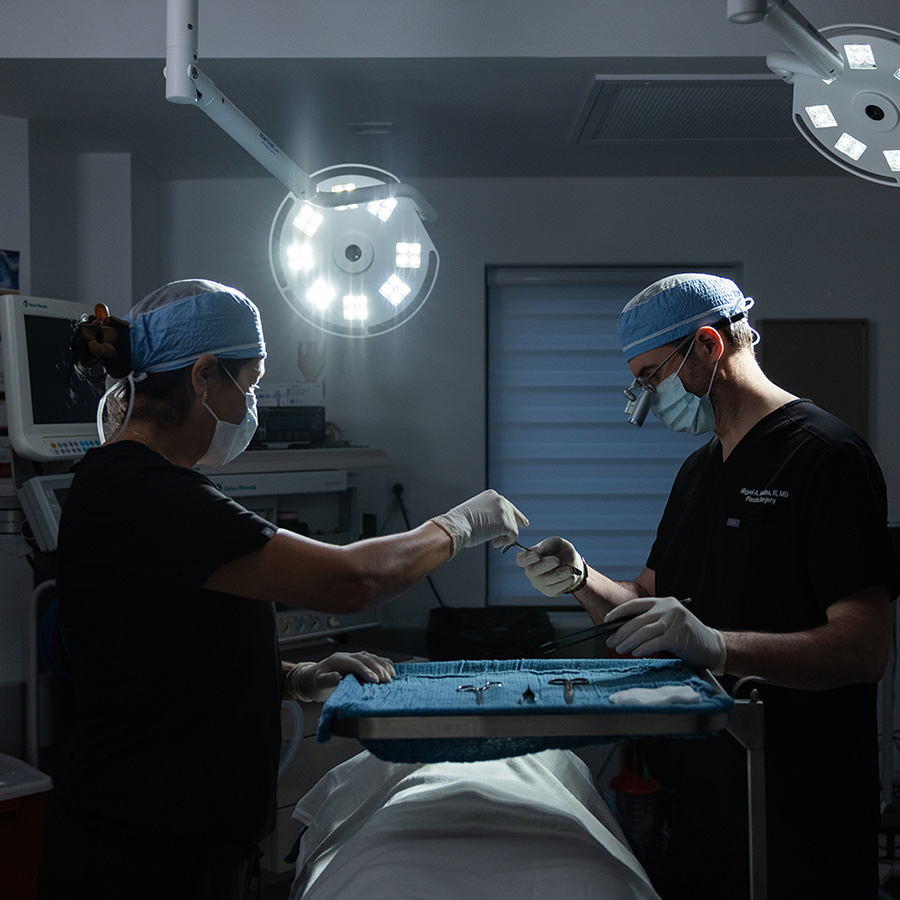
Septoplasty is typically performed under general anesthesia. The surgeon makes incisions either inside the nostrils (closed technique) or along the columella (open technique). The deviated septum is straightened, excess cartilage is removed, and structural grafts may be placed. The nasal bones may be repositioned if necessary. Finally, the skin is re-draped, and sutures are placed. The procedure typically takes two to three hours.

What Can I Expect During Recovery From Septoplasty?
First Few Days
Patients may experience swelling, bruising, and mild discomfort. Nasal packing or splints help maintain nasal structure and minimize bleeding. Keeping the head elevated reduces swelling and promotes healing. Pain medication and antibiotics may be prescribed to help manage discomfort and assist in the healing process.
First Few Weeks
Most patients return to work within one to two weeks. The swelling and bruising will subside gradually. Strenuous activities should be avoided for at least four to six weeks or longer, depending on what your surgeon instructs. Nasal congestion is common but improves as healing progresses.
Long-Term Recovery
Residual swelling may persist for several months, with final results becoming visible within a year. Patients should avoid trauma to the nose and follow postoperative care instructions for optimal results.
When Will I See My Septoplasty Results?
Initial improvements are noticeable within a few weeks as swelling subsides. However, final results take up to 12 months to fully develop. Functional improvements in breathing are typically noticeable soon after healing begins. Over the first few months, the swelling continues to decrease, and the nasal shape refines. Patients may observe subtle changes in contour as residual swelling diminishes.
How Much Does Septoplasty Cost?
The cost of Septoplasty varies based on several factors, including the surgeon’s expertise, geographic location, facility fees, anesthesia costs, and the complexity of the procedure. More extensive corrections, such as significant nasal reconstruction or grafting, can increase the overall price. On average, costs range from $6,000 to $15,000. A consultation with a qualified surgeon will provide a more precise estimate.
If the procedure is performed for medical reasons, such as correcting a deviated septum to improve breathing, insurance may cover a portion of the expense. Patients should verify coverage with their provider.
Septoplasty FAQ
What other procedures can be combined with Septoplasty?
Septoplasty can be combined with chin augmentation, sinus surgery, or cosmetic procedures like blepharoplasty to enhance overall facial harmony. Patients interested in combination procedures can inquire about their options during a consultation.
Is Septoplasty painful?
Patients can experience mild to moderate discomfort post-surgery. Pain is manageable with prescribed medications and subsides within a few days.
Does Septoplasty leave scars?
Closed Septoplasty leaves no visible scars, while open Septoplasty leaves a small, barely noticeable scar at the base of the nose. You’ll be given instructions on how to care for any scars to promote healing and minimize scar visibility.
What are the risks associated with Septoplasty?
Risks include infection, bleeding, changes in nasal sensation, breathing difficulties, and the possibility of revision surgery if results are unsatisfactory.
How long do Septoplasty results last?
Results are long-lasting, as the structural changes made during surgery are permanent. However, natural aging and trauma can affect the nose over time.

Dr. Medina is an extraordinary doctor and an amazing human being.
Dr. Medina has been patient, kind and has gone over and beyond his call of duty. In the process, he has exceeded my expectations. He is an artist, a perfectionist and I am over the moon with the results of his work. I highly recommend him, without any reservation.
